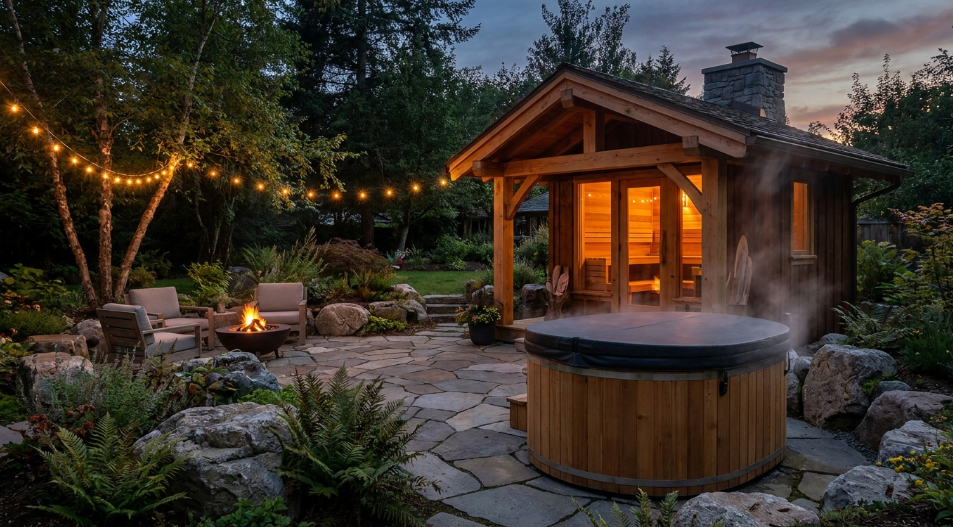
A properly insulated infrared cabin adds only a modest amount to your electricity cost in cold weather, typically 3 to 6 cents more per session in a double-wall build, since the panels are working against a bigger temperature gap between the cabin interior and freezing outdoor air. The bigger cost driver is upfront: whether the cabin has adequate insulation and a properly sealed door in the first place, not the ongoing power bill once it’s running.
What Does a Single Winter Session Actually Cost?
A typical two-person infrared cabin draws 1,500 to 1,800 watts. At an average US residential electricity rate, a 35-minute session in mild weather runs roughly 10 to 18 cents. In a hard freeze, a well-insulated double-wall cabin might see that climb to 14 to 22 cents per session, since the panels run a bit longer or harder to hold a comfortable interior temperature against the cold pressing in through the walls. That’s a real but small increase, not the dramatic jump some buyers expect when they picture running a sauna in subzero weather.
How Much Does Insulation Quality Change the Math?
This is where the real cost difference shows up. A single-wall cabin loses heat quickly once outdoor temperatures drop well below freezing, which stretches preheat time and keeps the panels working harder throughout the session just to maintain temperature. A double-wall cabin, with insulation sandwiched between interior and exterior wood layers, holds heat far more efficiently, often cutting preheat time by a third or more in a hard winter compared with a single-wall build at the same footprint. If you’re buying specifically for a cold climate, ask directly about wall construction rather than assuming, since budget models frequently use single-wall panels to keep the price down. Panel material plays a role too: ceramic emitters heat up faster at a concentrated point, while carbon fiber panels spread heat more evenly across a wider surface, which some cold-climate users find preheats a chilled cabin more consistently corner to corner.
What Does Weatherproofing Add to the Upfront Cost?
Upgrading from a single-wall to a double-wall cabin typically adds $300 to $700 to the purchase price for a comparable two-person model, depending on the brand and materials. A properly sealed door with a quality gasket is a smaller add, often included standard on cold-climate-rated models but sometimes a $50 to $100 upgrade on budget units. Both are worth budgeting for if winter use is a real priority rather than an occasional novelty, since a poorly sealed door undermines even good wall insulation by leaking heat around the frame every time it’s opened and closed.
Does Snow and Ice Around the Cabin Add Cost of Its Own?
Yes, indirectly. A cleared, non-slip path from the house to the cabin door matters more in January than any other month, and a lot of winter sauna injuries come from a slick patio rather than the heat itself. Budgeting $150 to $400 for a short paver or gravel path, plus a bag or two of ice melt kept on hand through the season, is a small addition to the total winter-readiness cost but a meaningful one for safety. A cabin roof also needs to shed snow rather than accumulate it in heavy-snowfall regions, and a steeper pitched roof or metal panel that sheds snow costs a bit more upfront but avoids added structural weight over a winter with several storms.
How Does This Compare to Running a Traditional Heater in the Same Climate?
A traditional electric heater sized for cold weather typically needs to run 10 to 15 percent more wattage than a mild-climate recommendation to hold temperature against the cold, which at 6 to 9 kilowatts baseline can add a noticeably larger per-session cost increase than an infrared cabin sees at its much lower baseline draw. Infrared’s smaller power draw to begin with means the percentage increase in winter translates to a smaller absolute number of cents per session, even though both formats face the same underlying physics of heat loss to a colder outside temperature. Shoppers weighing the two specifically for a cold-climate install can compare manufacturer specs for wall construction and rated operating temperature range at sweatdecks.com before deciding which upfront cost is worth paying.
What’s the Realistic Total for a Winter-Ready Setup?
Add up a double-wall cabin upgrade of $300 to $700, a sealed door if not already standard at $50 to $100, and a cleared path plus ice melt at $150 to $400, and a winter-ready infrared setup typically costs $500 to $1,200 more upfront than a bare-minimum single-wall unit. Against that, the ongoing electricity cost bump is small, a few cents a session, which means the winter-readiness investment is almost entirely front-loaded into the purchase rather than spread out as a recurring expense. Buyers who skip the upfront insulation upgrade to save money often end up paying for it in slower preheat times and a cabin that feels marginal on the coldest nights of the year.
Is a Windbreak or Partial Enclosure Worth Adding?
In a yard exposed to consistent winter wind, a simple windbreak, a fence panel, a row of evergreens, or a partial roof overhang, can meaningfully reduce how much cold air pulls heat away from the cabin’s exterior walls between sessions. This is a cheaper fix than upgrading wall insulation after the fact, often $200 to $500 for a basic fence-panel windbreak versus the cost of retrofitting double-wall construction into an already-built single-wall cabin. It’s worth thinking through at the placement stage rather than after a first hard winter reveals how exposed a spot actually is once the leaves are off nearby trees and shrubs.
Does the Door Direction Matter in a Cold Climate?
Yes, more than it seems. Facing the door away from the prevailing winter wind direction reduces how much cold air rushes in every time someone enters or exits, which matters more over a season of daily use than a single gust might suggest. It also keeps snow from drifting directly against the door and door seal, which can ice up and make the door harder to close fully on the coldest nights. This costs nothing to plan for at installation and is genuinely difficult to fix after a concrete or gravel pad is already poured facing the wrong way.
Frequently Asked Questions
How much more does it cost to run an infrared sauna in winter?
Expect a modest increase, often 3 to 6 cents more per session in a well-insulated cabin. A poorly insulated cabin can see a bigger jump.
Do infrared panels lose effectiveness in cold weather?
Not meaningfully, but a poorly insulated cabin takes longer to reach a comfortable interior temperature, which lengthens preheat time and increases power draw.
Is double-wall construction worth the extra cost for a cold climate?
Generally yes if winters regularly drop well below freezing. It holds heat significantly better, cutting preheat time and winter electricity cost.
Can an infrared sauna sit outside uncovered all winter?
Most cabins are rated for outdoor use within a specified range, but a covered spot reduces snow load and moisture exposure, extending the cabin’s working life.
References
- Effects of heat and cold on health, with special reference to Finnish sauna bathing, American Journal of Physiology – Regulatory, Integrative and Comparative Physiology, 2018
- Cardiovascular and Other Health Benefits of Sauna Bathing: A Review of the Evidence, Mayo Clinic Proceedings, 2018
- Does the Combination of Finnish Sauna Bathing and Other Lifestyle Factors Confer Additional Health Benefits? A Review of the Evidence, Mayo Clinic Proceedings, 2023
- National Fire Protection Association, https://www.nfpa.org/