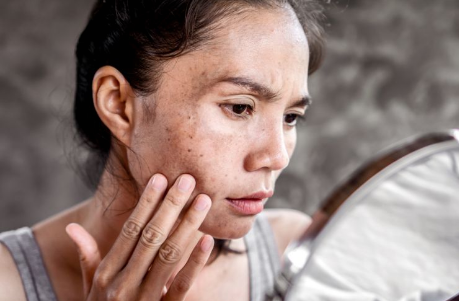
If you are exploring the topic of melanotan before and after effects, it is important to approach the subject with a clear understanding of what this peptide is, how it is commonly used, and the risks involved. Melanotan II is a synthetic peptide often discussed in relation to skin tanning, but differences in results and safety can vary widely. This guide aims to clarify common questions, highlight potential risks, and offer criteria for evaluating before and after comparisons responsibly.
Understanding Melanotan II and Its Purpose
Melanotan II is a synthetic analogue of a naturally occurring peptide involved in pigmentation. People often seek it for its reported ability to stimulate melanin production, which may lead to skin darkening. However, it is critical to recognize that melanotan II is not approved by health authorities for cosmetic use, and its effects can differ significantly depending on individual factors such as skin type and dosage.
What Does “Melanotan Before and After” Typically Show?
When searching for melanotan before and after photos or testimonials, you will find a wide range of outcomes. Some images display noticeable darkening of the skin, while others show minimal or no change. Variations often stem from differences in the source of the peptide, length of use, and individual biology. It is common for results to be inconsistent and sometimes accompanied by side effects such as nausea, flushing, or increased sensitivity to sunlight.
Risks and Safety Considerations
The use of melanotan II carries certain risks, as the peptide has not undergone comprehensive clinical testing for safety or efficacy in cosmetic applications. Some users report unwanted side effects, including changes in mole appearance and cardiovascular responses. Due to these concerns, medical professionals generally advise caution and recommend consulting a healthcare provider before considering melanotan II or similar products.
Evaluating Melanotan Before and After Images: A Practical Framework
When evaluating before and after photos or anecdotal reports, consider these criteria to avoid misleading conclusions:
– Source credibility: Look for images or reports from reputable sources rather than anonymous social media posts.
– Consistency in lighting and camera settings: Changes in lighting can create the illusion of skin darkening or lightening.
– Duration of use: Genuine changes from peptides usually require consistent use over weeks or months.
– Reported side effects: Reliable accounts will include potential side effects, not just positive results.
– Independent verification: Cross-reference claims with scientific literature or trusted health websites.
By applying these criteria, you can better assess the validity of melanotan before and after claims without relying on anecdotal or promotional content.
How Does Melanotan II Compare to Other Tanning Methods?
Sunbathing and tanning beds are traditional methods to increase melanin, but they carry well-documented risks such as skin damage and increased cancer risk. Sunless tanning lotions provide a topical alternative with temporary results but without systemic effects. Melanotan II represents a pharmacological approach but lacks regulatory approval and standardized dosing, making it less predictable and potentially risky compared to other options.
Where to Find Reliable Information and Products
Given the variability in melanotan II quality and safety, it is essential to seek reliable information before making decisions. Trusted health websites, peer-reviewed studies, and expert opinions can provide balanced insights. For those interested in peptide options, reviewing dedicated peptide resources can help clarify available choices and their profiles. For a detailed comparison and analysis, referencing the full FormBlends comparison can be particularly informative.
Short FAQ
What is the typical time frame to see changes from melanotan II?
Reported timelines vary, but visible changes in pigmentation often take several weeks of consistent use. However, individual responses differ widely, and some may not observe notable effects.
Are there any known side effects to be cautious about?
Commonly reported side effects include nausea, flushing, increased heart rate, and changes in mole coloration. Because melanotan II is not officially approved, safety data are limited.
Can melanotan II replace sun protection measures?
No. Even with increased pigmentation, it is important to use sunscreen and other sun protection methods to reduce the risk of skin damage.
Final Note
This article is intended for informational purposes only and does not constitute medical advice. Before considering melanotan II or related peptides, consult with a qualified healthcare professional to discuss potential risks and benefits.
What to verify before acting
Before a reader relies on any comparison about melanotan ii before and after complete guide, the safest move is to confirm the basics directly. Check when the page was last updated, whether the criteria are explained clearly, and whether the recommendation separates facts from marketing claims. It also helps to compare total cost, access requirements, support, refund language, and any limits that could change the real-world value of an option.
The goal is not to find a perfect answer from one article. The goal is to narrow the search to a short list, understand the tradeoffs, and know which questions to ask next. That approach is slower than clicking the first result, but it usually produces a better decision and reduces the chance of being pulled in by a page that ranks well without explaining enough.