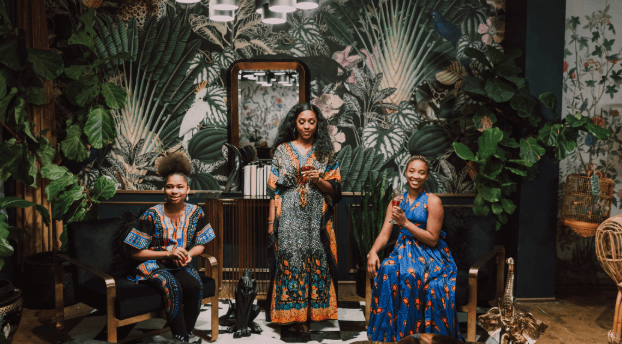
Fashion as cultural heritage encodes shared memory through dress, linking individuals to collective histories. It reveals ritual garb, regional motifs, and craft techniques that anchor belonging while enabling autonomous expression. By preserving practices and reinterpreting them, fashion becomes a living repository that structures memory across generations. Its ethical choices and evolving contexts offer a framework for future practice, leaving scholars and practitioners with questions that invite closer examination.
What Fashion as Cultural Heritage Really Means
Fashion as cultural heritage refers to the ways clothing and dress encode shared memory, identity, and social meaning within a community. The concept analyzes how symbolism—heritage symbolism, ritual garb, and regional motifs—structures collective memory and belonging. It also highlights craft preservation as a critical factor, sustaining techniques, materials, and knowledge that anchor communities and enable informed, autonomous cultural expression.
How Traditions Influence Modern Design
Traditions shape modern design by providing a reservoir of motifs, techniques, and governance of meaning that designers draw on while reinterpreting them for contemporary contexts.
The discussion considers how tradition inspired forms persist through layering, sampling, and contextual reframing, revealing tensions between heritage preservation and innovation.
Material authenticity guides choices, aligning texture, craft, and function with ethical, culturally aware principles.
Global Journeys of Garments: Trade, Travel, and Transformation
Global garments move beyond local studios to traverse networks of production, distribution, and consumption, shaping how clothing signals identity, status, and belonging across cultures. The section analyzes trade routes and textile migration as drivers of de-territorialized aesthetics, where travel narratives reframe origins and purposes. Garment branding emerges as strategic storytelling, linking consumer desire, cultural capital, and broader economic transformation.
Reading Clothing as Story: Preservation, Ethics, and Future Paths
Reading clothing as story involves tracing garments as artifacts that encode social memory, material practice, and ethical questions about stewardship.
The analysis situates preservation ethics within museum and community contexts, evaluating access, repatriation, and responsible curation.
It also sketches future paths that leverage digital provenance, collaborative stewardship, and inclusive storytelling, aligning conservation aims with cultural vitality, social justice, and evolving public engagement.
See also: The Next Generation of Network Technology
Frequently Asked Questions
How Do Fashion Traditions Affect Everyday Streetwear Today?
The question reveals that fashion traditions shape streetwear today through identity codes, rhythmic colors, and urban layering, guiding garment rituals and seasonal silhouettes while signaling craft revival, bold textures, and streetwear sustainability within evolving cultural context.
What Role Do Indigenous Communities Play in Fashion Heritage?
Indigenous communities shape fashion heritage through indigenous design and textile sovereignty, asserting autonomy over motifs, methods, and repurposing knowledge. Their stewardship contextualizes global aesthetics, framing ethical collaboration as a prerequisite for cultural integrity, freedom, and sustainable innovation in contemporary wardrobes.
Can Fashion Heritage Survive Fast-Changing Digital Trends?
Digital preservation offers resilience, yet fashion heritage struggles against rapid trend cycles; sustained meaning depends on institutions, communities, and archiving practices that contextualize change, enabling freedom-minded audiences to assess originality while disciplines balance innovation with continuity.
How Is Labor History Reflected in Traditional Garments?
Labor history emerges in traditional garments through handmade techniques, revealing labor organization and skills. These pieces illuminate craft economies, with patterns, tools, and routines reflecting collective work, resilience, and agency, while contextualizing broader social and economic transitions.
What Safeguards Protect Endangered Craft Techniques?
Safeguard methods for endangered crafts include documentation, mentorship, and protected designation; practices persist through innovation and tradition. Juxtaposition frames risk and resilience, as communities balance commercial viability with cultural stewardship, ensuring accessible, contextual preservation for those who desire freedom.
Conclusion
Fashion as cultural heritage reveals and preserves collective memory, shaping identity through ritual garb, motifs, and craft. In modern contexts, these traditions influence design while maintaining ethical material choices and community sovereignty. The field functions as a living archive, translating past meanings into contemporary expression and cross-cultural dialogue. Anachronically, its archive is a wearable time capsule—couture mutating like a fossil in a gallery of trends. Ultimately, heritage-oriented fashion guides responsible innovation and enduring cultural respect.